Pretty Dreaming: A Modern Brush Font for Creative Projects
There's a certain energy that comes with finding a font that feels alive. You know the one—it has movement, personality, and a handcrafted quality that immediately sets your work apart from the sea of generic designs. Pretty Dreaming is exactly that kind of typeface. As a modern brush font, it carries an organic, dynamic quality that bridges the gap between casual warmth and professional polish. Whether you're designing a wedding invitation, building a brand identity, or creating social media content that stops the scroll, this font brings a distinct voice to the table.
Understanding the Visual Character of Pretty Dreaming
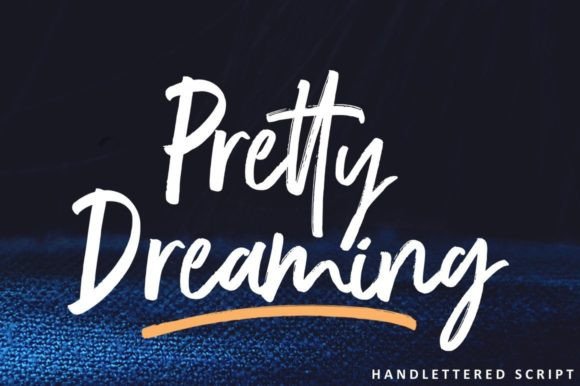
What makes Pretty Dreaming stand out in a crowded market of script fonts and handwritten typefaces? It starts with the brush strokes themselves. Unlike overly stylized calligraphy fonts that sacrifice readability for flair, this typeface strikes a thoughtful balance. The letterforms flow naturally, with varying stroke weights that mimic the pressure and rhythm of a real brush pen. Each character carries subtle imperfections—intentional ones—that give the text an authentic, human touch.
The font leans into a modern aesthetic without feeling trendy in a way that will date quickly. It's energetic without being chaotic, elegant without being stiff. That combination makes it surprisingly versatile. You could use it for a playful children's brand just as easily as you could for a sophisticated boutique logo. The lowercase letters tend to have a relaxed, approachable feel, while the uppercase characters bring more structure and presence. Together, they create a typeface that adapts to different moods depending on context.
Where This Brush Font Truly Shines
Pretty Dreaming finds its sweet spot in projects where you want to communicate authenticity, creativity, or a personal touch. Here are some of the most effective applications:
- Logo Design and Brand Identity: If you're building a brand for a creative business—think florists, bakeries, photography studios, or lifestyle coaches—this font can anchor your visual identity. It works beautifully as a primary wordmark or as a secondary script element paired with a clean sans serif font for body copy.
- Wedding Invitations and Event Stationery: The organic brush quality makes it a natural fit for wedding suites, save-the-dates, and event signage. It reads as romantic and intentional without looking overly formal or stuffy.
- Packaging Design: For small-batch products, artisan goods, or boutique labels, Pretty Dreaming adds shelf appeal. It signals that a product is crafted with care, which matters when you're competing against mass-produced alternatives.
- Social Media Graphics: Instagram quotes, Pinterest pins, and Facebook headers all benefit from typography that feels handcrafted. This font catches the eye in a feed dominated by overused system fonts and generic templates.
- Blog Headers and Website Accents: Used sparingly for headlines or pull quotes, it can add visual interest to a blog or website without compromising the overall readability of your content.
- Posters, Badges, and Signage: Whether it's a promotional poster, a market booth sign, or a badge for a digital product, the dynamic energy of this brush font commands attention at various sizes.
- Merchandise and Print-on-Demand: Tote bags, mugs, t-shirts, and stickers all benefit from typefaces that feel personal and design-forward. Pretty Dreaming fits naturally into the world of creative merchandise.
Pairing Pretty Dreaming with Other Typefaces
One of the most practical skills in typography is knowing how to combine fonts effectively. Pretty Dreaming works best when it's not carrying the entire design alone. Because it's a display font with strong personality, pairing it with something more neutral creates visual hierarchy and keeps your designs from feeling overwhelming.
A clean sans serif font like Montserrat, Lato, or Open Sans makes an excellent companion for body text. The contrast between the organic brush strokes and the geometric simplicity of a sans serif creates a balanced, professional look. If your project calls for more warmth, a humanist sans serif or even a soft serif font can complement the handwritten quality without competing for attention.
Avoid pairing Pretty Dreaming with other highly decorative or script fonts. Two expressive typefaces in the same design almost always create visual noise rather than harmony. Instead, let this brush font be the star of the show while your secondary font quietly supports the message.
Readability and Practical Considerations
Any font that leans into a handwritten or brush style requires thoughtful application. Pretty Dreaming is no exception. Here are a few things to keep in mind:
- Size Matters: This font is designed to perform well at medium to large sizes. It's ideal for headlines, titles, and short phrases. Avoid setting long paragraphs or small body text in any script or brush font—readability drops quickly when readers have to decode extended passages of connected letterforms.
- Spacing and Kerning: Brush fonts sometimes need manual adjustments to letter spacing, especially in logos or headlines. Take a moment to review how the characters sit next to each other and tweak if needed.
- Color and Contrast: The organic texture of the brush strokes looks best with strong contrast against the background. Dark text on light backgrounds or reversed-out white text on solid colors tends to work well. Be cautious with low-contrast color combinations, which can muddy the details of the letterforms.
- Testing Across Formats: Before committing to a font for a brand identity, test it across all the formats you'll use—print, screen, small sizes, large sizes. What looks stunning on a business card might lose its charm when scaled down for a favicon or mobile header.
Licensing and Commercial Use
If you're planning to use Pretty Dreaming for commercial projects—a client's logo, a product line, or marketing materials—it's essential to review the licensing terms. Most premium fonts come with clear guidelines about how many users, devices, or projects the license covers. Some licenses distinguish between desktop use, web use, and app embedding. Taking a few minutes to read the fine print protects you legally and ensures you're using the font as intended.
For designers who work with multiple clients, understanding font licensing is part of professional practice. It's worth building a system for tracking which fonts you've licensed and for what purposes. This saves headaches down the road and demonstrates professionalism to clients who may ask about the assets used in their projects.
Matching Typography to Your Project Goals
The best typography decisions start with a clear understanding of what you're trying to communicate. Before choosing any font—including Pretty Dreaming—ask yourself a few questions:
What emotion should this design evoke? A brush font communicates energy, creativity, and human connection. If your project needs to feel corporate, institutional, or highly technical, a different typeface family might serve you better. But if you want warmth, approachability, and artistic flair, this font delivers.
Who is your audience? Younger demographics and creative communities tend to respond well to handcrafted typography. If your audience skews more traditional or conservative, consider using Pretty Dreaming as an accent rather than the primary typeface.
Where will the design live? A font that works beautifully on a printed poster might not translate well to a mobile app interface. Think about the environments where your audience will encounter the typography and test accordingly.
Typography is one of the most powerful tools in a designer's toolkit. The right font choice can elevate a simple layout into something memorable, reinforce a brand's personality, and create an emotional connection with an audience. Pretty Dreaming offers a compelling option for anyone looking to inject creativity and authenticity into their work—whether that's a small business owner designing their first logo or a seasoned designer exploring fresh typeface options for a client project.