Monster Font: A Handwritten Typeface That Brings Friendly Charm
Sometimes a design project calls for something that feels less like a computer generated output and more like a human touch. You know the feeling—you're working on a wedding invitation, a social media quote graphic, or a brand identity for a small boutique, and the standard sans serif fonts feel too sterile. The script fonts feel too formal. You need something in between, something that feels approachable and genuine without sacrificing clarity. That's where a typeface like Monster enters the conversation, offering a handwritten quality that balances whimsy with practicality.
The Personality Behind the Letterforms
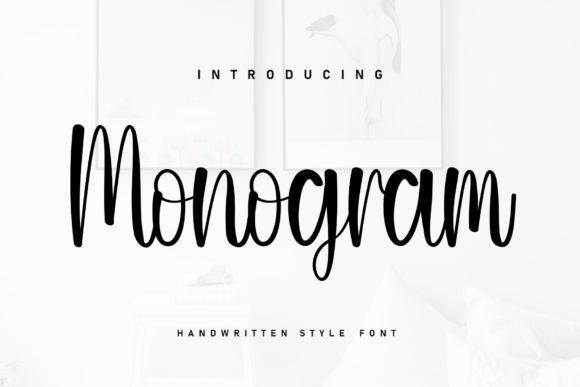
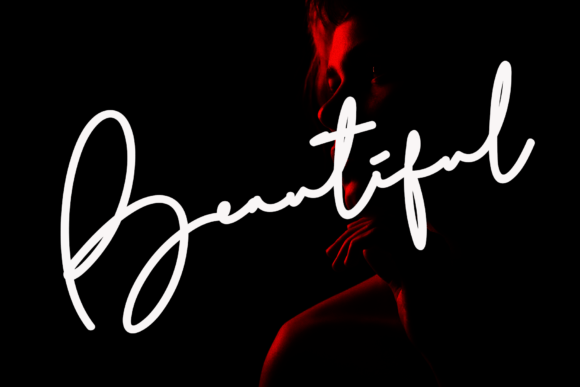
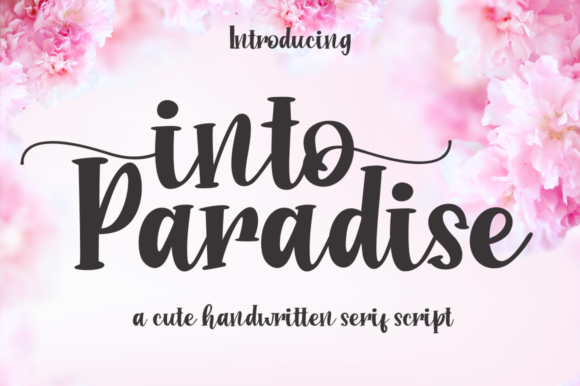
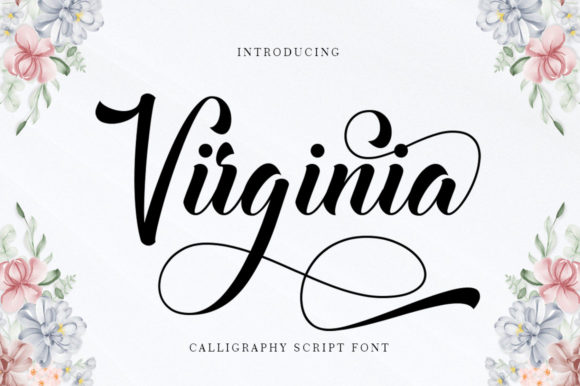
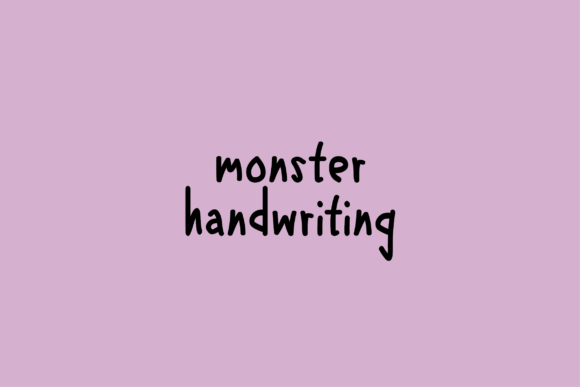
What makes a handwritten font work? It comes down to character. Monster carries a simple, friendly aesthetic that doesn't try too hard. The letterforms have a natural flow, with subtle variations that mimic actual pen strokes without descending into illegibility. There's a quirkiness to it—not the kind that overwhelms a design, but the kind that adds warmth. Think about the difference between a typed thank-you note and one written by hand. The handwritten version feels more personal, more considered. That's the energy this typeface brings to a project.
The visual appeal lies in its versatility across different weights and styles. Whether you're using a lighter weight for body-adjacent text or a bolder version for headlines, the font maintains its approachable personality. It doesn't fight with other design elements. Instead, it complements them, making it a practical choice for designers who need a creative font that plays well with others in a typographic hierarchy.
Where This Typeface Actually Works in Real Projects
Let's talk specifics, because generic claims about fonts being "perfect for everything" don't help anyone make a decision. Here's where a handwritten display font like Monster genuinely earns its place in a design toolkit:
- Logo Design: For brands that want to communicate approachability—think bakeries, children's clothing lines, artisanal product makers, or personal coaching businesses—a handwritten typeface can anchor a logo with warmth. Monster works well as a primary wordmark or as a secondary element paired with a clean sans serif.
- Wedding Invitations and Event Stationery: The invitation space practically demands fonts with personality. Monster's whimsical quality suits save-the-dates, RSVP cards, and ceremony programs without looking like every other calligraphy script on the market.
- Packaging Design: Small-batch food products, handmade cosmetics, and craft beverages often benefit from typography that signals authenticity. A handwritten font on a label tells the customer there's a real person behind the product.
- Social Media Graphics: Instagram quotes, Pinterest pins, and Facebook promotional graphics need typefaces that stop the scroll. Monster's friendly character makes text-based posts feel more conversational and shareable.
- Blog Headers and Website Accents: While you wouldn't set an entire blog in a handwritten font, using it for section headers, pull quotes, or call-to-action buttons adds visual interest and breaks up the monotony of standard web typography.
- Print Materials: Posters, flyers, brochures, and magazine layouts all benefit from a display font that draws attention. Monster works particularly well for editorial design elements like subheadlines or featured quotes where you want to inject personality.
- Merchandise: Tote bags, mugs, stickers, and t-shirt designs often rely on bold, friendly typography. A handwritten font that's legible at various sizes makes merchandise feel approachable and gift-worthy.
- Digital Products: If you're selling planners, worksheets, or e-books, the typography choices inside those products matter. Monster can add a crafted feel to headers and titles within digital downloads.
Making Typography Work Harder for Your Brand
Choosing the right font isn't just about aesthetics—it's a strategic decision that affects how your audience perceives your brand. Visual consistency across touchpoints builds recognition. When someone sees your Instagram post, then visits your website, then receives your product in the mail, consistent typography creates a cohesive experience. Monster, as part of a broader brand identity system, can serve as the "friendly voice" in your typographic palette while a more neutral serif or sans serif handles the informational heavy lifting.
Readability matters more than most people realize. A font can be beautiful, but if your audience struggles to read it at the size and context you're using it, you've lost them. Handwritten fonts require particular attention here. Test Monster at the actual size you plan to use it. Check how it renders on screen versus in print. Look at individual letter combinations—some handwritten fonts create awkward spacing between certain character pairs. The good news is that well-crafted premium fonts typically account for these issues with kerning adjustments and OpenType features.
Font pairing is where many designers either create magic or stumble. A handwritten font like Monster pairs naturally with clean, geometric sans serifs—think Montserrat, Poppins, or Futura. The contrast between the organic handwritten forms and the structured sans serif creates visual tension that keeps a design interesting. Avoid pairing it with other decorative or script fonts, which creates visual competition. For editorial layouts, try Monster for pull quotes or feature headers alongside a readable serif like Georgia or Lora for body copy.
Practical Considerations Before You Commit
Before downloading any font for a project, consider a few practical factors. First, review what styles and weights are included. Does the typeface come with regular, bold, and italic versions? Are there alternates or ligatures that give you more creative flexibility? A well-featured font package saves you time and expands your design options.
Licensing is another area where designers and small business owners sometimes get caught off guard. If you're using a font for commercial purposes—client work, products for sale, business marketing materials—make sure the license covers that use. Most premium fonts include commercial licensing, but it's worth confirming before you build an entire brand identity around a typeface you can't legally use in production.
Test the font in context before finalizing. Drop it into a mockup of your actual project. See how it looks next to your brand colors, your photography, your other typography choices. A font that looks stunning in a specimen preview might feel different when surrounded by the real elements of your design. Give yourself time to experiment. Try different sizes, different colors, different backgrounds. The goal is a font that enhances your project rather than dominating it.
Typography is one of those design elements that works best when people don't consciously notice it—they just feel the effect. A friendly handwritten font like Monster does exactly that. It brings warmth and personality to a design without demanding all the attention. For designers, business owners, and creators looking for a typeface that feels genuine and approachable, it's worth adding to your collection and testing against your next project. The results might surprise you with how much a single font choice can shift the entire tone of a design.