Retro Script: Unlocking Vintage Charm for Your Designs
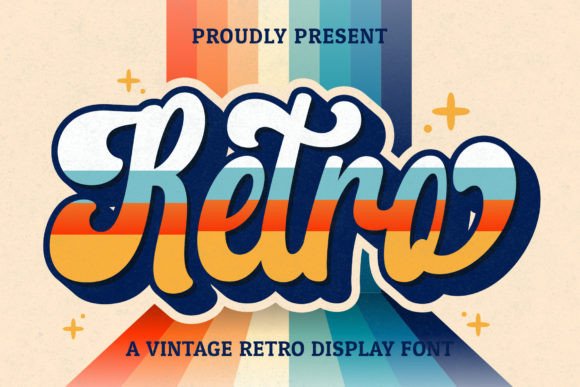
There’s a certain magic in handwritten letterforms—the kind that feels personal, authentic, and steeped in history. Retro Script captures this essence perfectly, offering a vintage-inspired handwritten font that brings warmth and character to any project. Whether you're crafting a logo, designing wedding invitations, or creating social media graphics, this typeface adds that unmistakable retro touch that makes designs feel both nostalgic and timeless. It’s more than just a font; it’s a design tool that helps communicate personality, evoke emotion, and stand out in a crowded visual landscape.
Why Vintage Typography Still Resonates Today
In an era of sleek digital interfaces and minimalist sans serif fonts, there’s a growing appreciation for designs that feel human and handcrafted. Retro typography taps into a collective nostalgia—a longing for the tactile, the personal, and the authentic. Fonts like Retro Script work because they bridge the gap between past and present, offering the charm of mid-century signage or vintage postcards while remaining highly functional for modern applications. This blend of old and new is particularly powerful for brands looking to tell a story, connect emotionally with their audience, or differentiate themselves through visual identity.
What makes Retro Script stand out among script fonts is its careful balance. It’s distinctly vintage without being overly ornate, and it’s handwritten without sacrificing legibility. The letterforms flow with a natural rhythm, featuring subtle swashes and ligatures that add flair without overwhelming a design. This makes it versatile enough for both headline and accent use, depending on the context. For designers, this means fewer compromises—you can achieve a retro aesthetic without sacrificing readability or professionalism.
Practical Applications Across Creative Projects
One of the greatest strengths of a well-crafted display font like Retro Script is its adaptability. It’s not limited to one type of project; instead, it serves as a versatile asset across numerous creative and commercial applications. Consider how it might transform these common design scenarios:
- Logo Design & Brand Identity: A logo sets the tone for a brand. Retro Script can help create a memorable wordmark that feels artisanal, nostalgic, or playful—ideal for boutique businesses, craft breweries, vintage shops, or lifestyle brands. Pair it with a clean sans serif for body text to maintain balance and readability.
- Packaging & Labels: On product packaging, this font can evoke authenticity and craftsmanship. Think coffee bags, artisanal foods, or skincare products where a handmade feel adds perceived value. The swashes and alternate characters allow for customization that makes each label unique.
- Social Media & Digital Content: In a fast-scrolling feed, visual personality matters. Retro Script can make quotes, announcements, or promotional graphics pop with a distinctive, eye-catching style. It works particularly well for Instagram stories, Pinterest pins, or Facebook ads where a personal touch increases engagement.
- Wedding & Event Stationery: Invitations, programs, and place cards benefit enormously from fonts that feel personal and elegant. The vintage handwritten style of Retro Script adds romance and sophistication to wedding suites, party invitations, or holiday cards.
- Print Materials & Merchandise: From posters and flyers to T-shirts and tote bags, a creative font like this can turn ordinary merchandise into something special. It’s especially effective for limited-edition runs, promotional items, or artistic prints where typography is part of the design itself.
Ensuring Your Typography Works for Your Audience
While the aesthetic appeal of a script font is important, practical considerations determine whether it truly enhances a project. Here’s how to approach Retro Script—or any premium font—with both creativity and strategy:
Prioritize readability. Even the most beautiful font fails if your audience can’t read it. Retro Script is designed for clarity at medium to large sizes, making it ideal for headlines, logos, and short phrases. For longer blocks of text, pair it with a simple serif or sans serif font that complements its style without competing. Always test your designs at the intended size and on the intended medium—what looks great on a screen might need adjustment in print.
Match the font to the project’s personality. Typography communicates mood. The vintage handwritten style of Retro Script conveys warmth, creativity, and nostalgia. Ask yourself: Does this align with the brand’s voice? Is it appropriate for the audience? A children’s party invitation might embrace its playful side, while a law firm’s branding might find it too casual. Context is everything.
Explore font pairings. Rarely does a font work in isolation. Retro Script pairs beautifully with neutral, geometric sans serifs for a modern contrast, or with traditional serif fonts for a more classic feel. Experiment with combinations to see what creates visual harmony while maintaining hierarchy. The goal is to create a cohesive typographic system where each font has a clear role.
Leverage the full character set. As a PUA-encoded font, Retro Script gives you access to all glyphs, swashes, and alternates without needing special software. This means you can customize letterforms, add decorative flourishes, or create unique compositions that feel truly bespoke. Take the time to explore these options—they can elevate a design from good to exceptional.
Integrating Retro Script into Your Design Workflow
For designers and creators, adopting a new typeface involves more than just installation. It’s about understanding its strengths, limitations, and best practices. Here’s how to make the most of Retro Script in your projects:
Start by reviewing all included styles and weights. Many premium fonts come with multiple variations—regular, bold, italic, or alternate characters. Familiarize yourself with these options so you can use them intentionally. Next, consider the technical aspects: ensure the font is properly licensed for your intended use, whether personal or commercial. Most quality fonts, including this one, come with clear licensing terms, but it’s always wise to double-check if you’re creating merchandise or digital products for sale.
When applying the font, think about spacing and alignment. Handwritten fonts often benefit from careful kerning and tracking adjustments, especially in logos or headlines. Use design software’s typography tools to fine-tune letter spacing and ensure visual balance. Finally, gather feedback. Show your designs to others and ask if the typography feels appropriate, readable, and aligned with the project’s goals. Sometimes what we love as designers might not resonate with the target audience—and that’s okay. The best designs are those that communicate effectively, not just those that look impressive.
In the end, a font like Retro Script is more than a stylistic choice—it’s a tool for storytelling. It helps bridge the gap between a brand and its audience, adding layers of meaning and emotion through visual language. Whether you’re refreshing a brand identity, launching a new product, or simply exploring creative expression, the right typeface can make all the difference. And sometimes, the best way forward is to look back—to embrace the timeless appeal of vintage design and reinterpret it for today’s world.