Watercolor Romance: Applying Seamless Floral Patterns
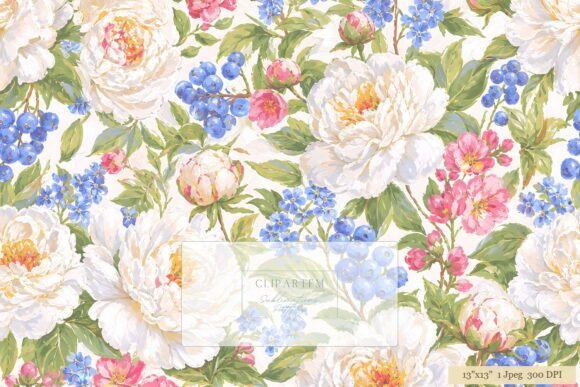
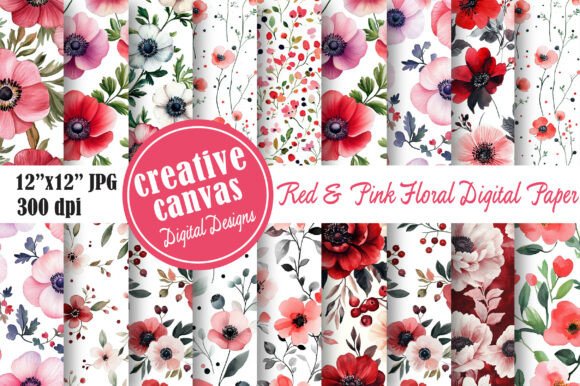
There is an undeniable softness to watercolor that captures the eye, particularly when it depicts the delicate structure of a flower. In the world of design assets, finding artwork that feels both authentic and versatile can be a challenge. You receive a collection of 25 individual JPEG and PNG files here that offer exactly that: elegant, hand-painted illustrations featuring a romantic palette of reds, blush pinks, and soft botanical greens. These aren't just static images; they are carefully crafted seamless repeating patterns designed to tile infinitely. For designers, small business owners, and creative entrepreneurs, this kind of asset solves a specific visual problem—how to introduce warmth, texture, and a vintage-inspired aesthetic into projects without the design feeling cluttered or overwhelming.
The Visual Language of Soft Botanicals
What makes these specific patterns stand out is the marriage of vintage charm and high-resolution clarity. Often, vintage-inspired textures suffer from low quality, appearing pixelated or muddy when scaled. However, these files are built at 12x12 inches and 300 DPI, ensuring that the delicate leafy accents and watercolor textures remain crisp whether you are printing a massive backdrop or a small journal insert. The "seamless" aspect is crucial for anyone involved in production. It means you can take these files into software like Photoshop or Illustrator, define them as a pattern, and fill an infinite canvas without visible lines or awkward breaks. This allows for the creation of cohesive brand environments where the background texture flows naturally, supporting the main content rather than distracting from it.
From Digital Files to Tangible Products
For those in the print-on-demand (POD) space or running a stationery business, the utility of this collection is immediate. The soft feminine floral aesthetic is a proven seller in specific markets, particularly those centered around weddings, spring collections, and Valentine’s Day. Imagine applying these watercolor florals to the lining of a wedding invitation envelope or the back of a business card for a boutique florist. Because the palette is harmonized—focusing on reds, blush, and botanical tones—you don't have to spend hours color-correcting to make different elements match.
The practical applications extend well beyond paper goods. These assets are ideal for:
- Fabric and Textiles: Creating custom scarves, upholstery for boutique furniture, or branded tote bags.
- Packaging Design: Wrapping paper for small gifts, sleeve bands for candle boxes, or cosmetic bag designs.
- Digital Products: Designing tablet wallpapers, Zoom backgrounds, or digital planners that users can download and print at home.
- Merchandise: Applying the textures to hard goods like tumblers or journals where a vibrant, high-quality print finish is essential.
The high resolution ensures that when the file goes to a printer, the result is a smooth, vibrant image that looks professional rather than homemade.
Strategic Use in Brand Identity and Marketing
When building a brand identity, consistency is king. A visual asset like a seamless floral pattern serves as a foundational layer for your brand's visual language. If you are a brand strategist or a small business owner, consider how this pattern can function as a "visual signature." By using the same watercolor texture across your Instagram stories, your website footer, and your physical thank-you cards, you create a subconscious connection for your audience. It signals a specific mood: romantic, organic, and artisanal.
For social media marketers, these patterns are a lifesaver for creating "stop the scroll" content. A plain white background is safe, but it often lacks personality. Using a soft botanical background behind a quote graphic or a product announcement adds depth and context. It helps frame the content without competing for attention. This is particularly effective for content creators in the lifestyle, wellness, or bridal niches, where the visual presentation needs to evoke a feeling as much as it communicates information.
Integrating Texture with Typography
One of the trickiest parts of using bold patterns is ensuring your text remains readable. This is where the design style of these specific files shines. The watercolor texture is "soft," meaning it doesn't have harsh, high-contrast lines that clash with letterforms. However, pairing these backgrounds with the right typeface requires some thought.
To maintain a professional presentation and readability, consider the following approach:
- Contrast is Key: Avoid placing thin, light-colored text directly over the busiest parts of the pattern. Instead, use a semi-transparent white overlay or a "knockout" box to create breathing room for your headline.
- Font Pairing: Because the floral patterns are organic and hand-painted, they pair beautifully with clean sans-serif fonts. A modern, geometric sans-serif creates a striking contrast that feels contemporary. Conversely, for a vintage or romantic vibe, a classic serif font with high legibility works well. Avoid overly complex script fonts for body copy, as the background texture may make it difficult to read at smaller sizes.
- Hierarchy: Use the pattern to draw the eye to the most important element. If the pattern covers the whole background, your typography needs to be bold enough to stand out.
This collection offers a practical solution for designers who need to evoke a specific emotional response quickly. Whether you are designing a hero image for a landing page or a cover for a physical planner, these botanical assets provide the flexibility to scale, color, and adapt the artwork to fit your exact creative vision. It’s about having the right tools to tell a visual story that resonates with your audience, ensuring your final product looks polished and intentional.