Leading: The Sweet Handwritten Font for Elegant Designs
There's something undeniably magical about handwritten typography. It carries a human warmth that rigid, geometric fonts often struggle to convey. When a design needs to feel approachable, romantic, or authentically crafted, the right script typeface becomes your most valuable asset. That's where a font like Leading enters the picture—a sweet and cursive handwritten option that brings personality to any creative project without sacrificing readability.
A Typeface That Feels Like a Personal Touch
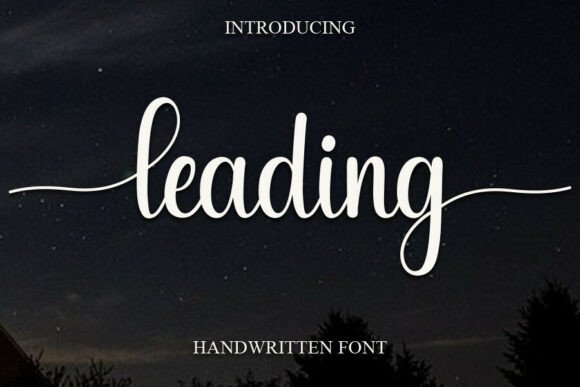
What makes Leading stand out among the sea of script fonts available today? Its gentle, flowing letterforms strike a balance between casual charm and polished sophistication. The strokes feel natural, as though someone carefully penned each character by hand, yet there's enough consistency across the alphabet to maintain visual harmony in longer text blocks. This isn't a chaotic scrawl—it's a refined handwriting style that designers can actually use in professional contexts.
The font carries a distinctly joyful energy. Its rounded terminals and slightly bouncy baseline give words a lighthearted quality, making it ideal for projects where you want to evoke happiness, celebration, or intimacy. Think about the last time you received a handwritten note from someone you care about. That feeling of personal connection is exactly what this typeface channels into digital and print designs.
Where This Script Font Truly Shines
Let's talk practical applications, because a beautiful font only matters if you can actually use it effectively. Leading works exceptionally well across a surprisingly wide range of creative contexts, which is part of what makes it such a versatile design asset.
Wedding and event stationery is perhaps the most natural fit. Save-the-dates, invitation suites, table numbers, ceremony programs, and thank-you cards all benefit from that romantic, handwritten aesthetic. The font's elegance communicates the significance of the occasion while its warmth keeps things feeling personal rather than stuffy.
Brand identity projects present another compelling use case. If you're building a brand for a boutique bakery, a floral studio, a lifestyle blog, or a handmade goods shop, Leading can serve as a cornerstone of your visual language. It works beautifully for logomarks, brand submarks, and accent typography that reinforces the personality of a business rooted in craftsmanship and care.
Social media content creators will find it particularly useful for Instagram stories, quote graphics, Pinterest pins, and promotional posts. In a feed dominated by bold sans serifs and predictable templates, a thoughtfully chosen script font like this one helps content stand out. It draws the eye without overwhelming accompanying imagery or body text.
Packaging design is another area where handwritten fonts add tremendous value. Whether you're designing labels for artisanal products, wrapping paper patterns, or product tags, that handcrafted visual quality signals authenticity and attention to detail. Consumers increasingly gravitate toward brands that feel human and intentional, and typography plays a significant role in communicating that.
Don't overlook editorial and publishing applications either. Magazine headers, blog post titles, chapter openers in self-published books, and pull quotes all become more engaging when set in a typeface with personality. Leading brings warmth to layouts that might otherwise feel clinical or overly corporate.
Making Typography Work for Your Brand
Choosing a font is never just about aesthetics—it's about strategy. The typefaces you select communicate specific messages about your brand before anyone reads a single word. A handwritten script tells your audience that you value creativity, approachability, and personal connection. It suggests that real people stand behind the brand, not just algorithms and corporate machinery.
That said, context matters enormously. A script font like Leading isn't the right choice for body copy on a legal document or a technical manual. Its strength lies in display applications—headlines, logos, short phrases, and accent text where its personality can breathe without creating readability challenges. For longer passages, you'll want to pair it with a clean serif font or a straightforward sans serif that handles extended reading comfortably.
This brings us to one of the most important practical skills in modern typography: font pairing. Leading works beautifully alongside neutral, well-structured typefaces. Try combining it with a geometric sans serif for a contemporary feel, or pair it with a classic serif for something more timeless. The contrast between the organic script and a more structured companion creates visual interest while maintaining hierarchy and clarity.
Practical Tips for Getting the Most From Your Font
Before committing any font to a major project, spend time testing it in real contexts. Set your actual headlines, not just the alphabet. Check how letter combinations look in the specific words you'll use most frequently. Some script fonts have awkward connections between certain letter pairs, and you want to catch those before they end up on printed materials or client presentations.
Pay attention to scale and spacing. Handwritten fonts often need more generous letter-spacing than their sans serif counterparts, especially at smaller sizes. At larger display sizes, you might tighten things up slightly for a more cohesive look. Play with these settings until the text feels balanced within your layout.
Consider the emotional tone of your specific project against the personality of the font. Leading leans romantic and joyful, which makes it perfect for celebratory designs, lifestyle brands, and creative portfolios. If your project requires something edgy, industrial, or ultra-minimal, a different typeface would serve you better. Matching typography to mood is one of those subtle skills that separates good design from great design.
Always verify the licensing terms before using any font commercially. Most premium fonts come with clear licensing that covers both personal and commercial use, but the specifics vary. If you're designing for a client, make sure the license covers their intended use. If you're creating merchandise or digital products for sale, confirm that your license permits that application. This step protects both you and your clients from potential legal complications down the road.
Beyond the Basics: Building a Thoughtful Font Library
Experienced designers know that a well-curated font library is one of the most valuable creative resources you can build. Rather than collecting hundreds of typefaces, focus on acquiring versatile, high-quality options that serve distinct purposes. A strong script font like Leading, paired with a reliable serif, a clean sans serif, and perhaps a bold display option, gives you the foundation to handle virtually any design brief with confidence.
What sets a premium font apart from free alternatives often comes down to refinement. The kerning is more carefully considered, the glyph set is more comprehensive, and the overall consistency across the character set is noticeably better. These details might seem minor in isolation, but they compound across an entire design, contributing to that elusive sense of polish that clients and audiences recognize even if they can't articulate what makes something look professional.
As you experiment with Leading in your own projects, notice how it transforms the overall feel of a layout. A simple business card becomes more memorable. A social media graphic earns more engagement. A product label feels more premium. That's the power of choosing typography with intention—it elevates every other design decision you've made.
The best creative work happens when every element serves both a functional and emotional purpose. Typography is no exception. When you find a typeface that aligns with your creative vision and serves your practical needs, it becomes more than just a font—it becomes an essential part of how you communicate with the world.