Monogram: The Handwritten Font That Balances Casual Charm and Elegant Style
There's a particular quality in a design that feels both personal and polished, like a handwritten note on luxury stationery. It's a tricky balance to strike—too casual and it risks looking unprofessional, too formal and it can feel cold. This is the sweet spot where the Monogram typeface lives. It's a handwritten font with the fluid, expressive energy of a marker pen, yet it carries an inherent sophistication. Imagine the relaxed vibe of a weekend brunch invitation or the confident branding on a boutique fitness studio's merchandise. That's the kind of versatile, approachable elegance we're talking about.
More Than Just a Script: Understanding Its Visual Personality
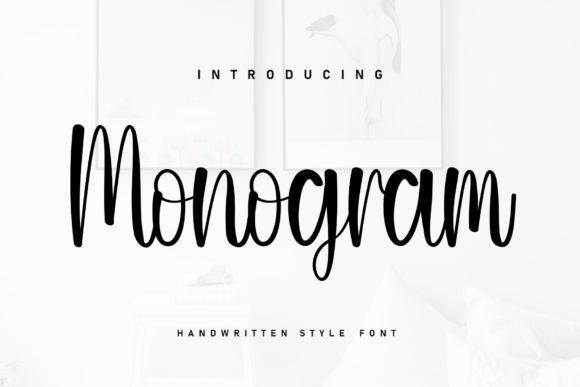
At first glance, Monogram is clearly a script font. Its characters connect in a natural, flowing manner, mimicking the act of writing. But calling it just a script font misses the nuance. The marker-style strokes give it a tangible, handmade texture. The letterforms aren't overly perfect or swashy; they have a relaxed, sporty feel. This prevents it from looking like a traditional, ornate calligraphy font and instead gives it a modern, accessible edge.
This visual personality makes it a standout display font. It's designed to draw the eye, making it perfect for headlines, logos, and short bursts of impactful text. It’s not a serif font or a sans serif font for body copy; its strength is in creating a memorable first impression. Think of it as the accent piece in a room—the statement chair or the bold piece of art that sets the tone for everything else.
Where This Creative Font Truly Shines: Practical Applications
The true test of any premium font is how it performs in real-world projects. Monogram’s blend of casual and elegant makes it surprisingly adaptable across a wide range of creative and commercial uses.
- Brand Identity & Logo Design: For businesses in the lifestyle, wellness, fashion, or artisan food space, Monogram can be the cornerstone of a brand identity. It instantly communicates a human touch. A coffee roaster, a yoga studio, or a handmade jewelry brand could use it for their logo to feel approachable yet curated.
- Packaging & Merchandise: On product packaging, this font adds a layer of perceived craftsmanship. Imagine it on a candle label, a tote bag for a boutique, or the header on a gourmet snack box. It makes the product feel special and considered.
- Editorial & Digital Design: In editorial design, it can create compelling pull quotes or section headers in a magazine layout. For web design, it’s perfect for hero text on a homepage, a call-to-action button, or a blog post title that needs personality. It translates beautifully to social media graphics for Instagram stories, quote cards, or promotional banners.
- Events & Invitations: This is where the font feels most at home. Wedding invitations, save-the-dates, party invitations, and greeting cards all benefit from its personal, celebratory tone. It sets the mood before the event even begins.
- Marketing & Advertising: In marketing assets like posters, flyers, and email headers, Monogram can help a brand stand out in a sea of generic sans-serifs. It’s particularly effective for promoting sales, events, or new product launches where you want to feel excited and inviting.
Achieving Polished Results: Font Pairing and Readability
Using a expressive typeface like Monogram effectively requires a bit of strategy. Its high personality means it can easily overwhelm a design if not balanced correctly. The key is to think of it as the lead vocalist, and you need to choose the right backup band.
Pair it with simplicity. Monogram works best when paired with a clean, neutral sans serif font or a classic serif font for supporting text. For example, use Monogram for a main headline and pair it with a font like Lato, Open Sans, or Garamond for body copy. This creates a clear visual hierarchy—the handwritten font grabs attention, while the simpler font ensures longer text remains easy to read.
Mind the context. Always consider your project's goal. For a luxury brand, you might pair it with a refined serif. For a more modern, casual brand, a geometric sans serif could be the perfect match. The contrast should feel intentional, not jarring.
Test for readability at all sizes. While Monogram is legible for display purposes, always preview it at the actual size it will be used, especially for packaging design or web design. Ensure any critical information (like a website URL or product details) is set in a highly legible companion font. Its charm is in the headline, not the fine print.
From Personal Project to Professional Asset: Licensing and Use
When you find a creative font you love, the next step is understanding how you can use it. Monogram is typically offered as a commercial font, which means it comes with a license that allows for use in professional and commercial projects. This is crucial for designers, entrepreneurs, and businesses.
Before purchasing, always review the specific license details. Check if it covers the uses you need: embedding in digital products, use on merchandise for sale, or distribution in client work. A reputable font foundry will make this information clear. Investing in a properly licensed design asset like Monogram protects you legally and supports the typographers who create these tools for the creative community.
Ultimately, choosing a typeface is about finding a voice for your visual communication. Monogram offers a voice that is confident, personal, and stylishly relaxed. It’s a tool for designers, marketers, and creators who want to inject their projects with a sense of crafted authenticity—making every logo, invitation, and social media post feel both luxurious and genuinely approachable.